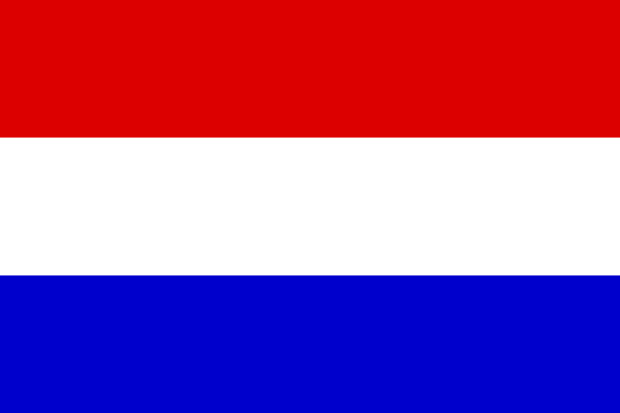
Flag of Hesse-Nassau (Prussian Province)


Background knowledge
The Province of Hesse-Nassau was a new creation of 1868 and a direct consequence of the Austro-Prussian War: in 1866 Prussia had annexed the Electorate of Hesse, the Duchy of Nassau and the Free City of Frankfurt, and two years later combined them into a single province. The capital was Kassel; the province was divided into the districts of Kassel and Wiesbaden. It was the only Prussian province formed out of several sovereign states, and it remained correspondingly disparate — the Hessian north and the Nassau lands on the Rhine had little in common. Frankfurt grew into the economic heavyweight. In 1944 the province was split into Kurhessen and Nassau; after the war most of its territory was absorbed into the state of Hesse.
Meaning
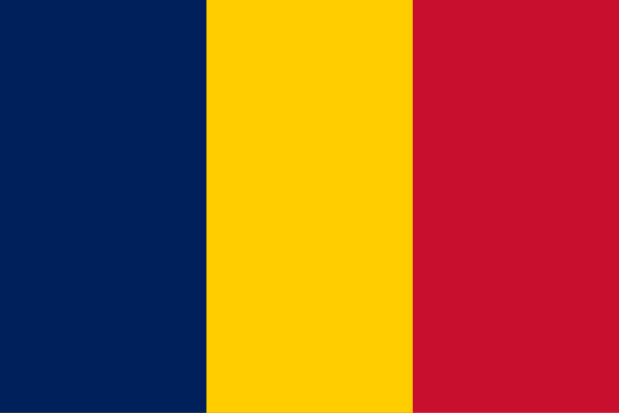
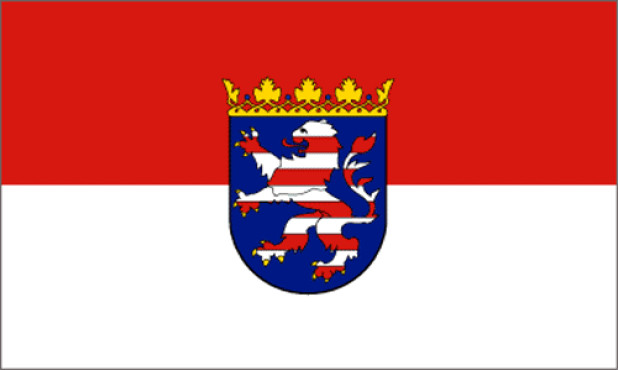
The flag shows three horizontal bands of equal width in red, white and blue. It is the only Prussian province to carry three colours — a concession to its origin in several predecessor states: red and white stood for Hesse, blue and white for Nassau. Rather than choose one tradition, the provincial colours combined both. Like every Prussian provincial flag it stays without a charge, just the three bands. The arms of the predecessor states — the Hessian lion and the Nassau lion with its golden billets — belong to heraldry. Depictions that place them on the stripes do occur, but they do not match the official version.
Hesse-Nassau flag color codes
- HEX
- #DD0000
- RGB
- (221,0,0)
- CMYK
- (0,100,100,13)
- HEX
- #FFFFFF
- RGB
- (255,255,255)
- CMYK
- (0,0,0,0)
- RAL
- 9010
- HEX
- #0000CC
- RGB
- (0,0,204)
- CMYK
- (100,100,0,20)
Discover something new
Random flags from our large flag database.